
India Accelerates Economic Reforms to Realize 'Viksit Bharat' Vision
India is making significant strides in its economic reform agenda, aiming to achieve the 'Viksit Bharat' or 'Developed India' vision by 2047. Economists highlight the critical role of comprehensive land reforms and enhancing the ease of doing business as cornerstones for the nation's next phase of growth. Prime Minister Modi's 'Sapta Dhara' initiative further underscores this commitment, outlining seven key areas of strength, including manufacturing and infrastructure development, vital for economic transformation. A major focus is on streamlining land acquisition processes, crucial for boosting the manufacturing sector's contribution to the GDP to 25% by 2035. This involves addressing existing gaps in land records and creating a more transparent system for industrial growth.
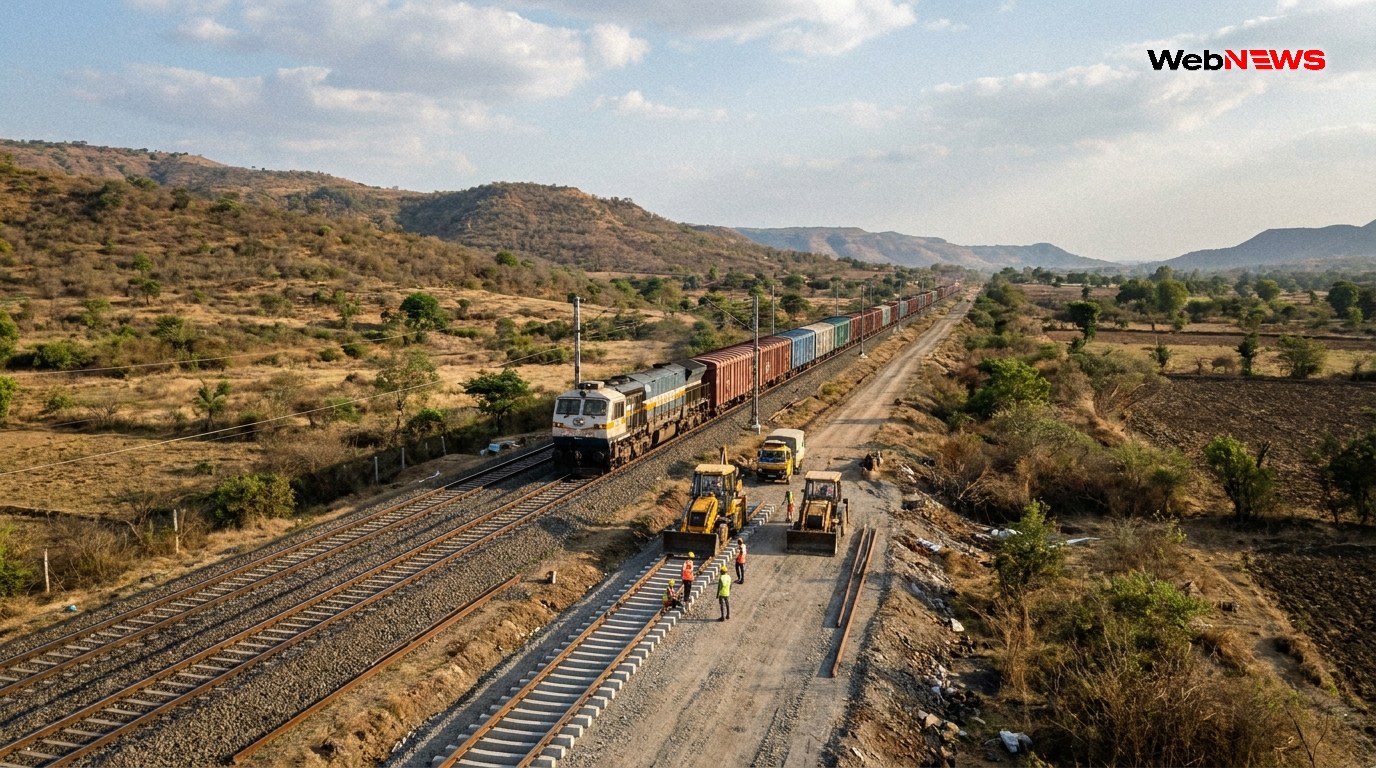
Beyond domestic reforms, a predictable foreign direct investment (FDI) policy, following a review of India's Bilateral Investment Treaties, is deemed essential to meet the growing capital requirements for development. Additionally, efforts to simplify existing reforms, such as bringing petroleum products under the Goods and Services Tax (GST) regime and reducing overall compliance burdens, are being pursued to ensure sustained economic momentum. The nation's economic landscape has already seen a remarkable transformation, evolving from a largely agrarian economy to a diversified and globally integrated powerhouse, with its nominal GDP estimated to be nearly $4 trillion in 2025. In a related development, Finance Minister Nirmala Sitharaman announced that the government would soon constitute a high-level committee on 'Banking for Viksit Bharat'. This committee is tasked with comprehensively reviewing the banking sector to align it with India's accelerated growth trajectory, while simultaneously safeguarding financial stability, promoting inclusion, and ensuring consumer protection. These concerted efforts reflect India's commitment to building a robust economic foundation for a developed future, supported by an unprecedented infrastructure push with the National Infrastructure Pipeline envisaging over $2 trillion in investments.