
ISRO Successfully Launches Earth Observation Satellite EOS-05 Into Geosynchronous Orbit
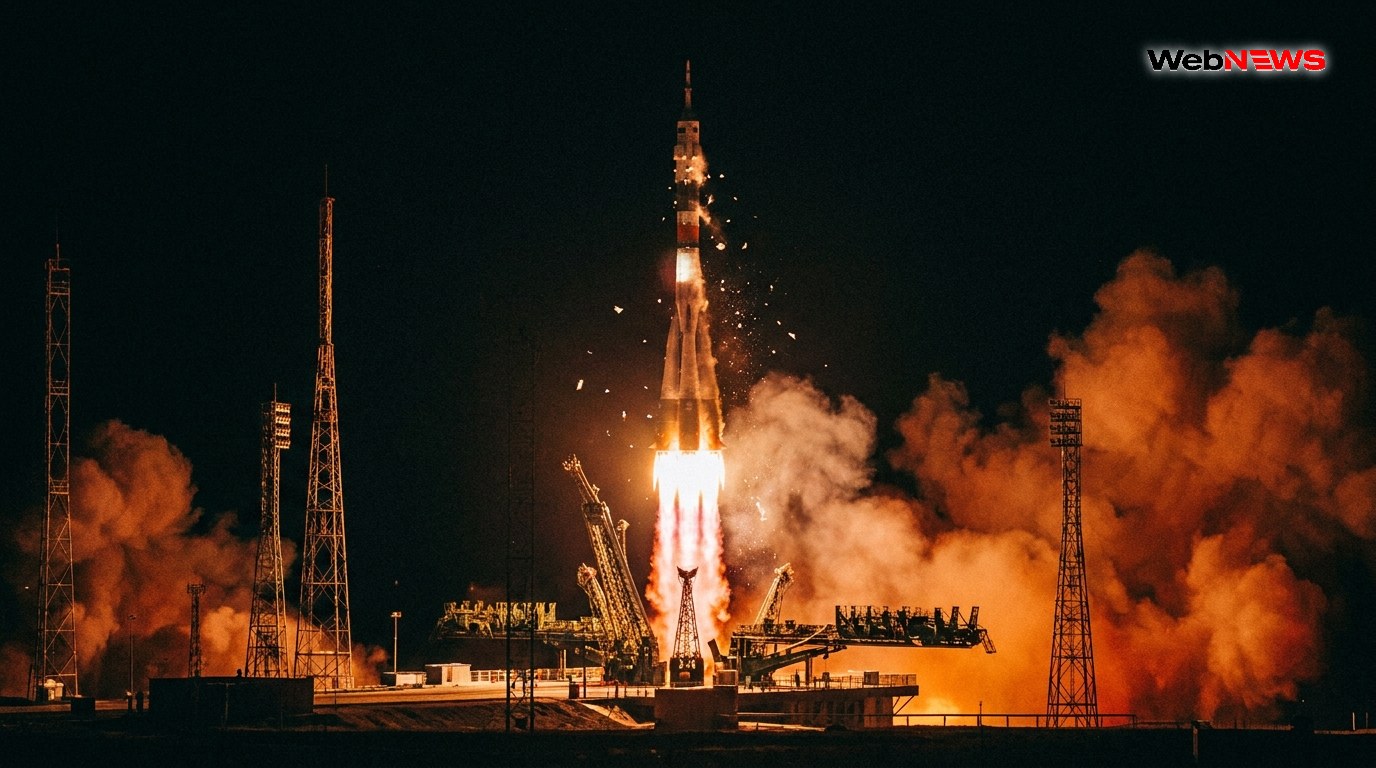
The Indian Space Research Organisation (ISRO) achieved a significant milestone in space technology with the successful launch of its advanced Earth observation satellite, EOS-05. The satellite was carried into space aboard the Geosynchronous Satellite Launch Vehicle (GSLV-F17) from the Satish Dhawan Space Centre in Sriharikota. Weighing 2,367 kilograms, EOS-05 is the heaviest payload ever injected into orbit by a GSLV launch vehicle, demonstrating key improvements in mass optimization and propulsion capabilities.
Unlike conventional Earth observation satellites that operate in low-Earth polar orbits, EOS-05 is designed to function from a geosynchronous orbit approximately 36,000 kilometers above the Earth's surface. Positioned at 85.5 degrees East longitude, this stationary perspective allows the satellite to keep a continuous watch over the Indian subcontinent and surrounding maritime regions. Its state-of-the-art imaging optical payloads will deliver real-time data to assist multiple sectors, including agriculture monitoring, environmental risk assessment, forestry management, and disaster response.
Following lift-off, ISRO engineers confirmed that the satellite's solar panels successfully deployed and its subsystem health parameters remained nominal. Orbit-raising maneuvers are underway to position the spacecraft into its final geostationary slot. The mission underscores India's growing self-reliance in space technology and expands its satellite infrastructure for critical national applications.