Telangana Assembly Passes Core Urban Region Bill 2026 to Overhaul Hyderabad Governance
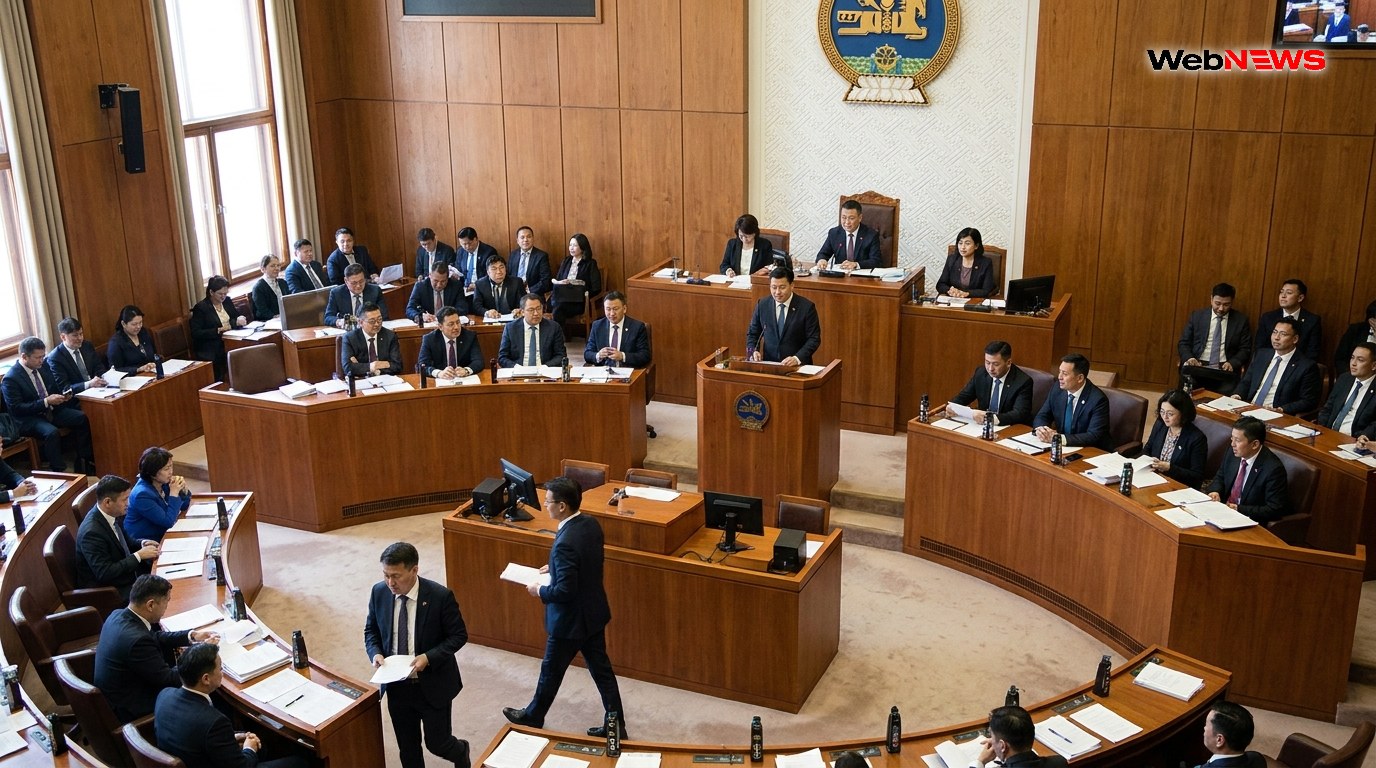
The Telangana Legislative Assembly has officially passed the Core Urban Region (Integrated Governance) Bill, 2026, known as the CURE Bill, bringing a historic overhaul to the governance of Greater Hyderabad and its surrounding urban agglomeration. The new legislation repeals the 70-year-old Greater Hyderabad Municipal Corporation (GHMC) Act of 1955, which was deemed outdated and incapable of addressing the infrastructure and public service demands of a rapidly expanding metropolitan population that now exceeds 13 million people.
Under the provisions of the CURE Bill, a unified administrative framework will be established across the municipal corporations of Greater Hyderabad, Cyberabad, and Malkajgiri. The governance structure will be led by a newly formed Apex Governing Council chaired by the Chief Minister, responsible for setting strategic development priorities, coordinating infrastructure projects, and overseeing disaster response. Additionally, a Utility Coordination Committee will be set up to streamline civic works and prevent unscheduled road digging by multiple utility service providers.
One of the most consequential changes introduced by the legislation is the reform of property tax assessment. The traditional Annual Rental Value (ARV) system will be replaced by a Capital Value System (CVS), which calculates tax based on government-notified market values of properties. Following debates and concerns raised by opposition parties regarding steep financial burdens on property owners, the Assembly passed an amendment capping the maximum annual increase in property tax at 10 percent of the previous year's tax payable during the transition phase. The law also establishes statutory provisions for digital building approvals, integrated property identification codes, and enhanced labour welfare measures for urban workers.