
US Urges G20 Nations to Adopt Light-Touch AI Regulation at North Carolina Summit
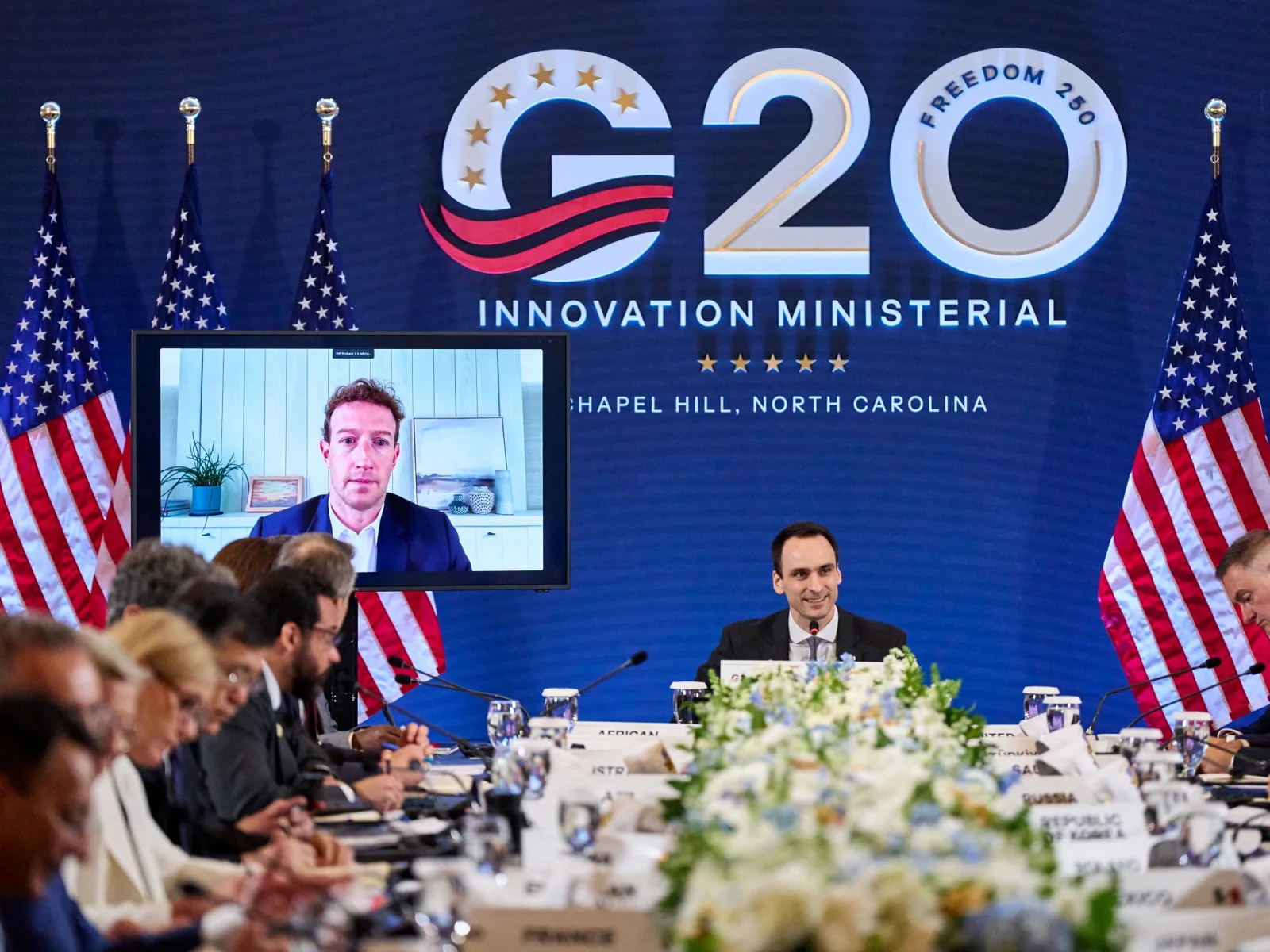
The United States pushed member nations to adopt a deregulatory, hands-off approach to artificial intelligence during the Group of 20 (G20) Innovation Ministers' Meeting held in Chapel Hill, North Carolina. Co-hosted by White House Office of Science and Technology Policy Director Michael Kratsios and U.S. Commerce Secretary Howard Lutnick, the two-day summit aimed to establish an international framework favoring rapid AI development over strict statutory oversight.
During the conference, Kratsios introduced the 'Carolina Principles,' a policy framework urging governments to refrain from creating AI-specific regulatory bodies or imposing proactive restrictions on frontier models. Instead, the U.S. argued that existing laws should address issues as they arise, reserving new rules strictly for novel considerations. According to U.S. officials, China agreed to the principles during bilateral talks, while the European Union faced criticism for its binding EU AI Act compliance standards.
Prominent technology executives, including Tesla CEO Elon Musk and Meta CEO Mark Zuckerberg, addressed the delegates virtually to support the administration's stance. Musk criticized European rules for inhibiting technological progress and highlighted the critical need for expanding power infrastructure and data centers to sustain AI deployment. Zuckerberg advocated against restrictions on open-weight AI models, emphasizing global market competitiveness.
The diplomatic push highlights a growing international divide between Washington's pro-growth, light-touch strategy and Europe's risk-focused governance model. As AI capabilities expand rapidly, global policymakers face mounting pressure to balance economic competitiveness with public safety, ethical safeguards, and system security.