
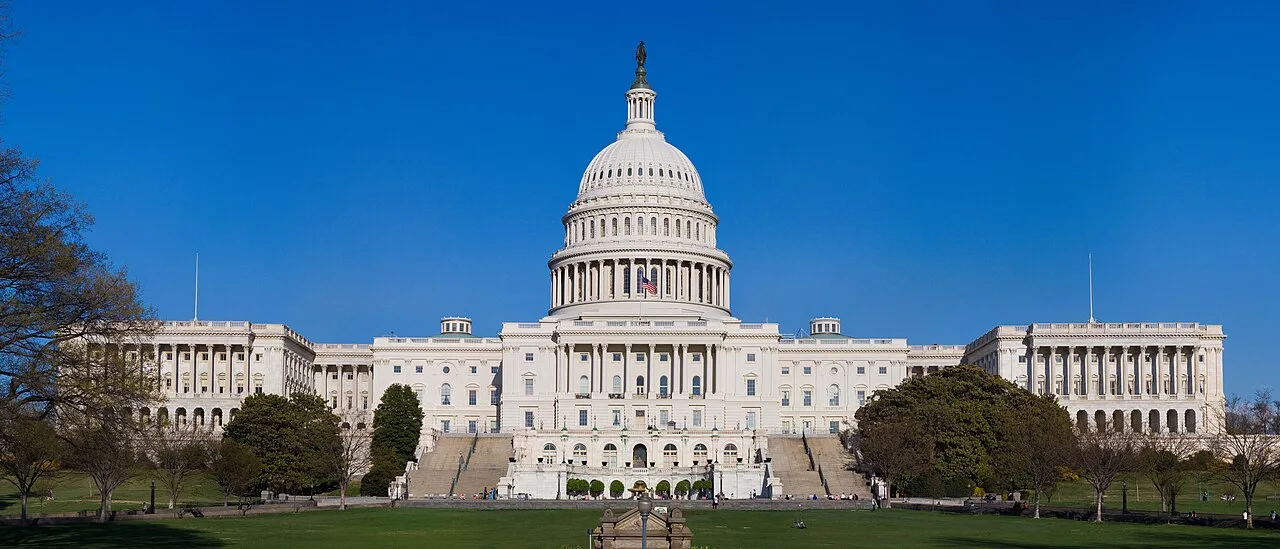
Americans vote in high-stakes midterms with control of Congress on the line; over 50 million ballots already cast
All 435 House seats and 35 Senate seats are on the ballot as the US votes in its first midterms of Donald Trump's second term. Forecasters favour the Democrats in the House, while the economy, healthcare and the Iran conflict top voters' worries.
Voters across the United States went to the polls on Tuesday in midterm elections that will decide which party controls Congress for the remaining two years of President Donald Trump's term. Republicans currently hold both the House of Representatives and the Senate. Trump himself is not on the ballot.
All 435 House seats and 35 Senate seats are being contested. More than 50 million Americans had voted early, putting turnout on course to exceed the 2022 midterms. Democrats need a net gain of only a handful of House seats to take the chamber, and must flip at least four Senate seats to win the upper house.
Forecaster Fifty Plus One gives the Democrats a 99 per cent chance of winning the House and an 80 per cent chance of taking the Senate. Since 1934, the president's party has lost an average of 27 House seats in midterm elections. Closely watched Senate races include Texas, where Democrat James Talarico has led Republican Ken Paxton in most polls since September, and Michigan, where Democrat Abdul El-Sayed faces Republican Mike Rogers.
A Gallup survey in October found the economy and healthcare were rated extremely important by 50 per cent of voters each, followed by the situation in Iran at 47 per cent and gas prices at 42 per cent. On the eve of the vote, a US official told AP that American forces struck Iranian targets in the Strait of Hormuz; a Pew survey found 65 per cent of Americans disapprove of Trump's handling of military action against Iran.
The first polls close at 6 pm local time in Kentucky and Indiana, around 4:30 am IST on Wednesday. The House majority mark of 218 seats may not be crossed until California's polls close, and some close races could take days to call.
Source: ABC News (Australia), AP, Gallup, Pew Research Center. Photo: Noclip / Wikimedia Commons (public domain).