UCLA researchers use light to catch deepfake videos in seconds with over 95% accuracy
A hybrid optical-electronic system built at UCLA spots manipulated videos by analysing how light is spread across each frame. It flagged 99.86% of fakes in the lab and even caught clips made with Google's Veo 3, a model it was never trained on.
Researchers at the University of California, Los Angeles have developed a technique that uses light itself to detect deepfake videos within seconds. The work, published in the journal eLight, pairs an ordinary electronic computer with an optical computer that analyses how brightness is distributed across a video's frames.
The electronic stage selects and prepares frames, while the optical stage passes them through a spatial light modulator and reads the brightness differences that fall on a sensor. In lab tests the system correctly identified 99.86 per cent of manipulated videos and 95.72 per cent of real ones, while processing up to 15 videos at a time. With 18 videos at once, overall accuracy was 96.13 per cent.
The system also caught videos generated by Google's Veo 3 model with 94.8 per cent accuracy, even though it had not been trained on that model's output. The optical stage used seven times less energy than the electronic one, making the whole setup about 13 per cent less energy-hungry than a fully electronic detector.
The need is pressing: a recent study in Nature Communications found people pick out deepfake videos correctly only about half the time. The UCLA team describes the tool as a fast filter that flags suspicious clips for human review rather than a final judge.
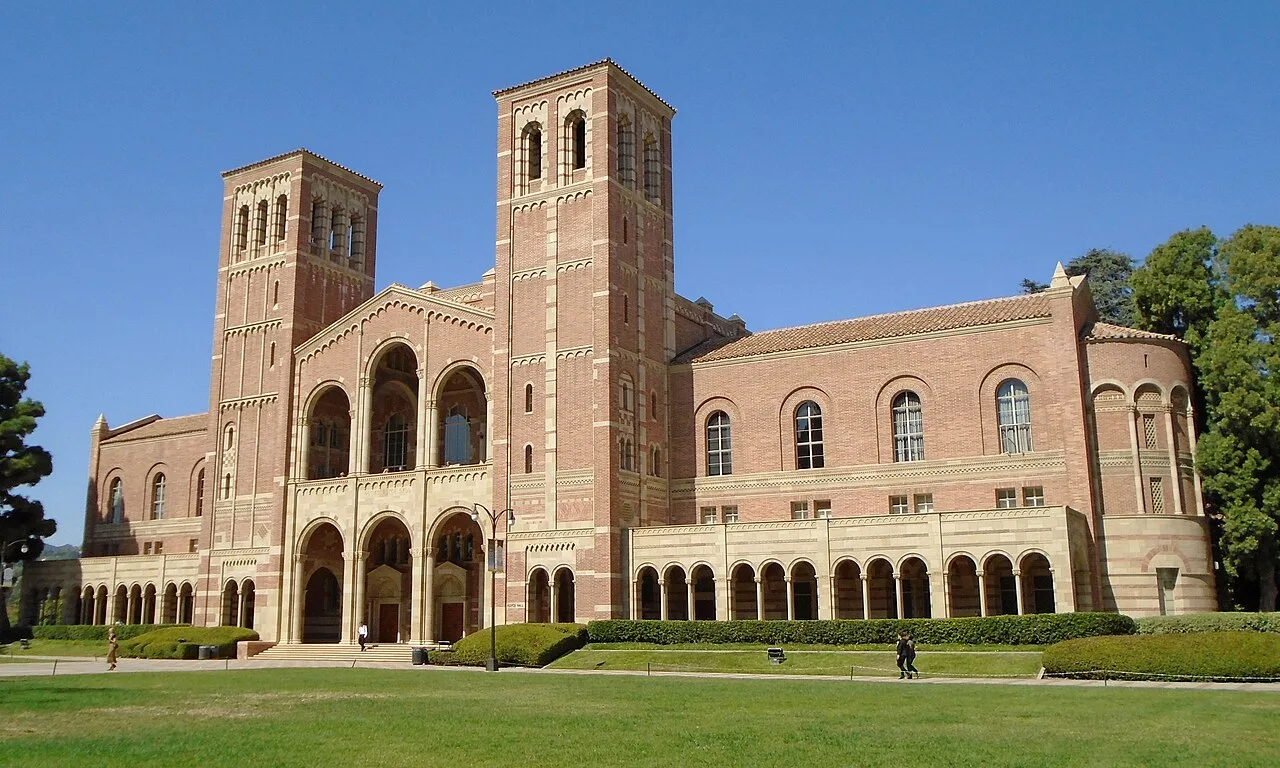
Source: The Hindu, eLight. Photo: Beyond My Ken / Wikimedia Commons (CC BY-SA 4.0).